Greywater During Water Restrictions: The Legal Picture
When drought reaches Stage 2 or Stage 3 restrictions, outdoor irrigation from the tap is typically curtailed or prohibited. What most homeowners don't know: in most Western states, greywater irrigation is exempt from outdoor watering restrictions because it comes from water already paid for and used, not an additional draw on the supply system.
Utility policies during restrictions:
| Utility | Greywater During Restrictions |
|---|---|
| LADWP (Los Angeles) | Explicitly exempt from watering restriction days for compliant greywater systems |
| Austin Water (Texas) | Greywater irrigation exempt from Stage 1–3 restriction schedules |
| EBMUD (East Bay, CA) | Greywater use encouraged and exempt during drought restrictions |
| Tucson Water (AZ) | Greywater exempt — city actively promotes expansion during drought declarations |
| Denver Water (CO) | Greywater irrigation exempt from stage restrictions with valid permit |
| SFPUC (San Francisco) | Compliant greywater systems exempt from watering restrictions |
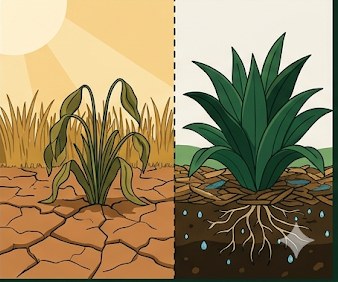
The practical implication: a homeowner with a greywater system can keep trees and shrubs alive through a drought-restriction period when neighbors without greywater watch their landscape die. This isn't a loophole — utilities specifically intend for greywater to serve this function. It's water that's already in the system, and using it for irrigation reduces the demand on the supply.
The Hidden Value: Landscape Survival
The direct water-bill savings from greywater ($30–$150/year for most L2L systems) often undersell its true value. During severe drought, the economic case becomes dramatically stronger when landscape replacement costs are factored in.
Consider: a mature 15-year-old orange tree in a Phoenix yard is worth $800–$2,000 in replacement cost (tree, excavation, planting, establishment watering). A 20-year-old avocado in a San Diego yard might cost $3,000–$5,000 to replace including the years of establishment. A well-established rose garden: $1,500–$4,000. During the 2021–2023 California drought emergency, landscaping replacement costs across the state were estimated in the billions — most of it from tap-water-irrigated landscapes that died during Stage 3–4 restrictions.
A greywater system that costs $150 to install can protect $10,000+ in landscape investment. This isn't hypothetical — it happened in California, Arizona, and Texas during recent drought years.
Drought Economics: Tiered Pricing Amplifies Savings
During drought, water rates don't just restrict supply — they often jump dramatically through tiered pricing escalations. California's drought emergency pricing added surcharges of 10–25% on top of existing tiered rates. Arizona water districts have implemented temporary drought surcharges. In these conditions, every gallon of greywater displaces an increasingly expensive gallon of potable water.
A household in East Bay MUD's Tier 3 pricing during drought pays approximately $15–$18 per 1,000 gallons — compared to the $7 base rate. An L2L system redirecting 10,000 gallons per year from Tier 3 pricing saves $150–$180 per year under drought pricing, versus $70 in normal conditions. The payback period on a $150 system shrinks to under one year.
Why "Install Before the Drought" Is the Right Strategy
The worst time to think about greywater is during a drought emergency. Here's why:
- Supply chain delays: During the 2021–2022 Western drought, diverter valves and irrigation supplies were backordered 6–10 weeks as demand spiked. Homeowners who tried to install during the emergency couldn't get parts.
- Rebate program overload: Utility rebate programs run out of funds during drought years as demand spikes. Austin Water's rebate program was depleted within weeks of a drought declaration in 2022. Install beforehand and collect the rebate in normal conditions.
- Learning curve: First-season greywater users make more mistakes — undersized basins, wrong detergents, improper overflow connections. Installing in a non-emergency year gives you time to optimize before you're depending on the system to keep trees alive.
- Permit processing time: In permit-required states, permits take 2–6 weeks. You want this approved before restrictions hit, not while your trees are dying.
Design Modifications for Drought Resilience
If drought resilience is a primary motivation for your system, a few design choices maximize effectiveness:
- Prioritize trees over lawn: During restrictions, grass can be reseeded. Trees cannot be quickly replaced. Design your greywater zones around the trees and large shrubs you most want to protect.
- Size for summer peak: Size basins for your maximum summer output, not an average. You'll be depending on the system most when it's hottest — which is also when laundry loads are highest and plants need the most water.
- Install a shower system too: If you're in a high-drought-risk area, a shower system adds 60–150 gallons per day of irrigation capacity — enough to make a meaningful difference for a larger landscape.
- Create redundancy: Install more zones than you think you need. During a severe drought, you may want to extend greywater to areas you weren't originally planning to irrigate.